
A bench made from polypropylene, not coated steel — so acids and alkalis cannot reach a metal substrate. The right choice for corrosion-prone chemistry labs.
Where a coated steel bench eventually rusts at a chip or a cut-out, a PP bench is solid polypropylene through and through. We weld the panels and worktop with PP rod, so the whole unit resists the same chemicals. It is not as rigid as steel and has a lower heat limit, so we size the frame and supports accordingly and will tell you honestly when steel or epoxy is the better specification.
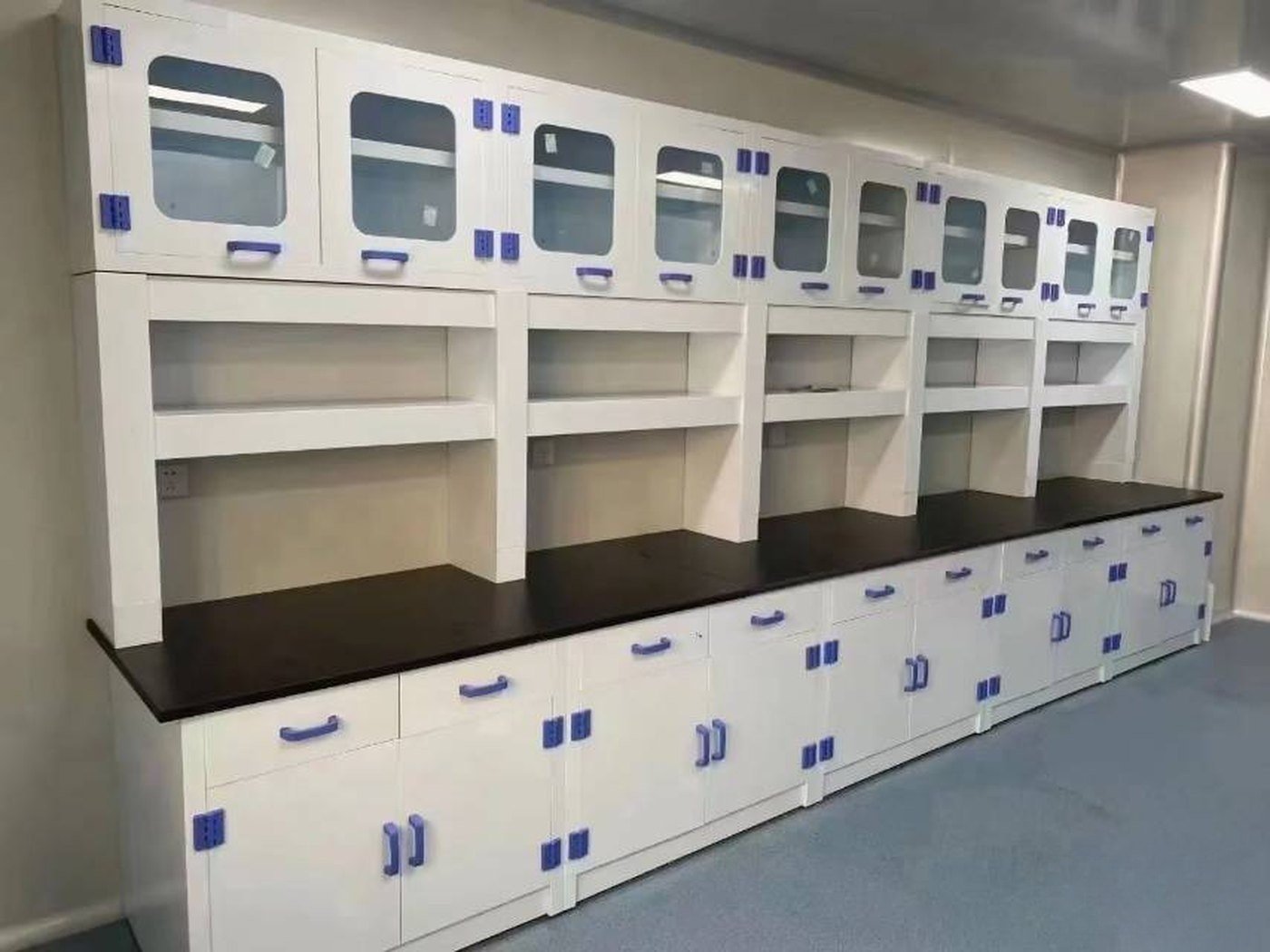
These are standard values; anything here can be changed to suit your drawings or local code. A bench run is usually specified with fume hoods and storage cabinets in the same finish.
| Material | Polypropylene (PP) sheet, chemical resistant |
|---|---|
| Worktop | PP sheet, welded; thickness per chemical and load requirement |
| Construction | PP rod welding; no exposed steel substrate |
| Sinks | Integrated PP sinks, troughs and drip trays |
| Feet | Adjustable PP levelling feet |
| Depth / height | 750 mm deep, 900 mm height standard; custom sizes accepted |
| Temperature | Lower heat limit than steel or ceramic — confirm your process with us |
| Packing | Knock-down, EPE foam, carton, plywood crate |
For strong acids and alkalis, PP resists attack through the full thickness, while epoxy is a surface that can be damaged by a chip. PP has a lower heat limit and lower stiffness, so we recommend it based on your actual chemicals and loads.
They can carry normal bench equipment, but for very heavy instruments we usually recommend a steel H-frame with a chemical-resistant worktop. Tell us the equipment weight and we will specify correctly.
Yes. PP sinks, troughs and drip trays are welded from the same material and fitted as part of the bench.
Send a DWG, PDF or a photo with dimensions. You get shop drawings, a material schedule and a factory-direct price.
Send Your Drawings