
A self-contained hood that filters and recirculates air where ducted extraction is impossible — no external duct run, with the filtration matched to your chemicals.
The ductless hood draws air through the working area and passes it through multi-stage filtration before returning clean air to the room. It suits laboratories that cannot run a duct route, teaching and pilot labs, and work that is low-volume and low-hazard. Filter type and change schedule are matched to the chemicals in use.
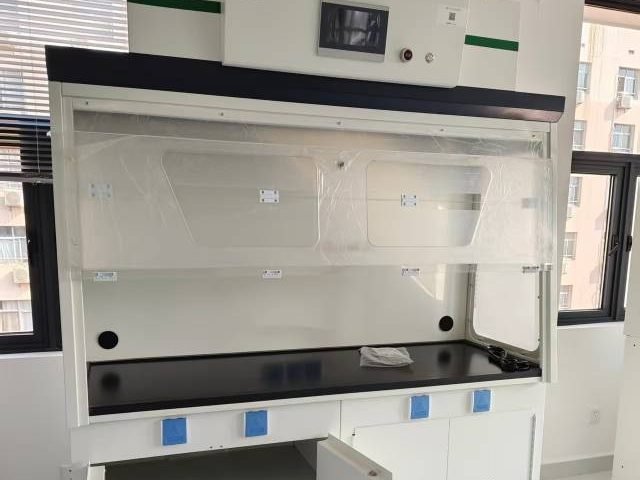
These are standard values; anything here can be changed to suit your drawings or local code. A hood run is usually specified with lab benches and storage cabinets in the same finish.
| Filtration | Pre-filter + activated carbon / specialty sorbent; HEPA/ULPA optional for dusts |
|---|---|
| Interior | Steel or PP liner; tempered glass sash |
| Standard widths | 1000, 1200 mm; larger custom units assessed per application |
| Airflow | Recirculating; face velocity verified on commissioning |
| Filters | Sized to the chemical list; change schedule and spare filters supplied |
| Monitoring | Filter saturation monitor; airflow indicator standard |
| Services | Interior light and power outlet on request |
| Packing | Knock-down, EPE foam, carton, plywood crate |
It is limited to chemicals compatible with the chosen filter and at low concentrations. Tell us the chemical list and concentrations; strong solvents, high-volume use and perchloric work usually require ducted extraction.
The interval depends on chemicals, concentrations and usage; we supply a change schedule based on your list, and the saturation monitor flags when filters are due.
It can replace one for low-hazard, low-volume work. For full chemical containment or heavy use, keep a ducted hood; a filtered unit is the practical option where ducting cannot be added.
Send the room plan and the work done at the bench. You get back a hood schedule with sash width, liner, airflow and a factory-direct price.
Send Your Drawings